Sleeping Through a Heatwave: What the Evidence Says Actually Helps
Hot nights measurably wreck sleep. Here's what the research supports — from the free fixes that do the heavy lifting to the handful of supplements with real trial data.
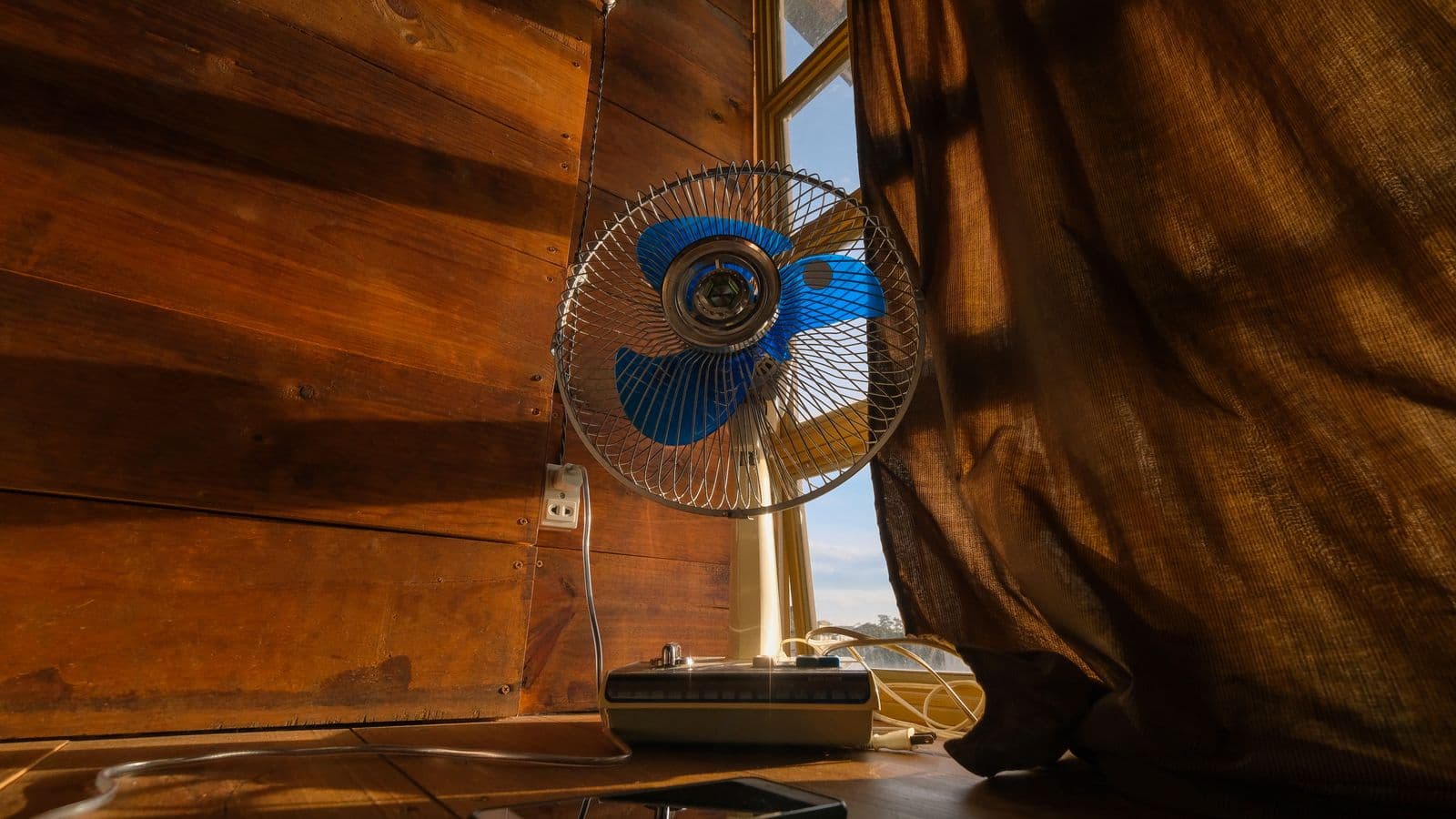
When the temperature doesn't break at night, sleep is usually the first thing to go — and that's not just a feeling. In a study of roughly 765,000 US survey respondents, warmer nighttime temperatures tracked directly onto reports of insufficient sleep, with the effect concentrated in summer and falling hardest on older and lower-income people, who are less likely to have reliable cooling. A single degree of nighttime warming was associated with several extra nights of poor sleep per 100 people each month. Multiply that across a heatwave and it adds up to a lot of lost rest.
The reason is physiological, not psychological. Falling asleep depends on your core body temperature dropping, mostly by shedding heat through the skin of your hands and feet. When the room stays hot — especially hot and humid — that heat dump gets harder, and the research on thermal environments shows the result plainly: more time awake, and less of the deep slow-wave and REM sleep that make sleep feel restorative. Humidity makes it worse, because your main defense in the heat is sweating, and sweat can't evaporate efficiently when the air is already saturated.
So the goal on a hot night is simple to state: help your body lose heat. Here's what actually does that, in the order that matters.
Start with the free stuff — it does most of the work
Before any gadget or supplement, the interventions with the best return cost nothing:
- Shift your timing to the cool of the day. Open the house up when the outside air finally drops below the inside temperature — usually the early hours — and close it down before the day heats up. Cross-ventilate: an outward-facing fan in one window and an open window on the opposite side moves hot air out rather than just stirring it around.
- Cool your skin, not just the room. A lukewarm (not cold) shower before bed, or a damp cloth on the wrists, neck, and ankles, promotes exactly the heat loss that sleep onset depends on. Cold water can backfire by triggering vasoconstriction, which traps heat.
- Lighten the bed. Breathable cotton or linen over synthetics; fewer layers; a lighter sleep surface. Wick sweat away so evaporation can still do its job.
- Move heat sources out. Incandescent bulbs, chargers, and a partner all add watts to a small room. So does a pet on the bed.
None of this is glamorous, but the population data is clear that ambient temperature is the lever — which means the cheapest way to sleep through a heatwave is to attack the temperature directly. Everything below is a second-order tool layered on top of that foundation, not a replacement for it.
Cooling the bed itself
If you've optimized the room and still overheat, actively cooling the sleep surface is the rare piece of sleep gear with an independent trial behind it.
The evidence here is genuinely split, and worth understanding before spending real money. An independently funded crossover trial found a large improvement in how rested people felt, but the same study — and a 2025 meta-analysis of cooling-bedding products — found no reliable change in objectively measured sleep time or sleep stages. That's a real benefit (perceived sleep quality matters) paired with an honest limit (don't expect a wearable to show dramatically more deep sleep).
The supplements with actual trial data
Supplements are the smallest lever here, and the marketing around "sleep aids" wildly outruns the evidence for most of them. Three have human trials worth citing — with modest, not miraculous, effect sizes.
Glycine is the most thematically apt for a heatwave. In a randomized trial, 3 grams before bed improved subjective sleep quality and next-day fatigue in people sleeping poorly, with polysomnography showing a shorter time to fall asleep and to reach deep slow-wave sleep. Separately, animal work links glycine to a faster fall in core body temperature through peripheral vasodilation — precisely the heat-loss process a hot room disrupts — though that specific mechanism hasn't been directly measured in the human sleep trials.
Magnesium has a double-blind trial in older adults with insomnia showing improved sleep time and efficiency over eight weeks. The effect is real but was clearest in an elderly, likely-deficient group — treat it as plausible rather than proven for a well-nourished younger adult.
Melatonin is the most misunderstood of the three. A meta-analysis of 19 studies found it genuinely helps — but modestly: about seven minutes faster to sleep and eight minutes more total sleep. It's a circadian-timing tool, best for jet lag or delayed sleep phase, not a sedative for a hot, restless night. If heat is what's waking you, melatonin isn't aimed at the problem.
The honest bottom line
A heatwave degrades sleep through a mechanism you can actually work with: your body needs to lose heat, and a hot room fights that. The interventions that matter most are free — timing, airflow, cool skin, light bedding. A cooling mattress can make hot nights feel better even if the sleep-lab numbers don't move. And among supplements, glycine is the best conceptual fit, magnesium has decent trial support in the right population, and melatonin is solving a different problem than the one heat creates. Match the tool to the mechanism and you'll sleep better than any single product promises on its own.
This article is informational and not medical advice. Persistent insomnia — heatwave or not — is worth discussing with a clinician.
Sources
10 citedProducts in this article
Medical disclaimer. The information on this site is provided for educational purposes only and is not intended as medical advice. It does not constitute a diagnosis, treatment plan, or recommendation for any specific health condition. Always consult a qualified healthcare professional before making changes to your supplement regimen, diet, or lifestyle — especially if you are pregnant, nursing, taking medications, or managing a medical condition.
Affiliate disclosure. Some links on this site are affiliate links. If you purchase through them, we may earn a small commission at no extra cost to you. This never influences our editorial assessments — products are graded solely on the evidence.